
Heat Acclimatization: A First-Week Schedule for New Crew Members
Most serious heat illness happens in a worker's first days on the job. NIOSH's 20 percent rule gives supervisors a simple schedule for building up to a full shift in the heat.
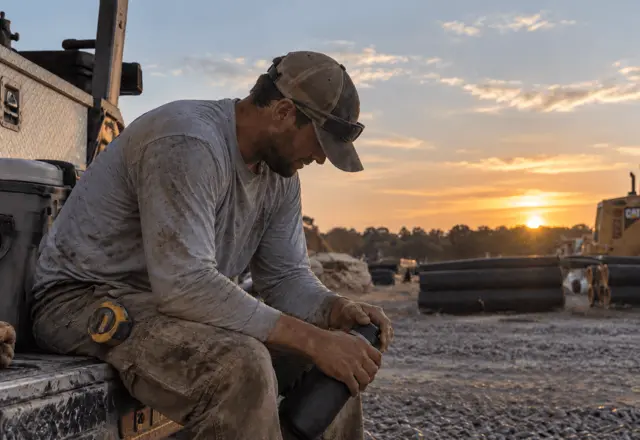
A new hire shows up strong, eager and on the schedule for a full day. It is the first hot week of the season. This is the setup behind a large share of serious heat illness, and it is preventable with a plan that fits on an index card.
What acclimatization is
Acclimatization is the body adjusting to work in the heat. Over repeated exposure a person starts sweating sooner and more efficiently, and the same job puts less strain on the heart. It is built by working in the heat for gradually longer periods. It cannot be rushed, and it fades after time away.
The 20 percent rule for new workers
NIOSH recommends that a worker who is new to the heat spend no more than 20 percent of the usual shift in the heat on day one, and add no more than 20 percent on each following day.
| Day | Share of a normal shift in the heat | On an 8-hour shift |
|---|---|---|
| 1 | 20% | About 1.5 hours |
| 2 | 40% | About 3 hours |
| 3 | 60% | About 5 hours |
| 4 | 80% | About 6.5 hours |
| 5 | 100% | Full shift |
The rest of each day is not lost. It goes to work in cooler conditions, training, tool and site orientation, or lighter tasks in the shade.
Experienced workers coming back
Someone who has done the job before but has been away, for a vacation, an illness or a stretch of indoor work, adjusts faster. The NIOSH schedule for returning workers is:
- Day 1: 50 percent of the usual time in the heat
- Day 2: 60 percent
- Day 3: 80 percent
- Day 4: 100 percent
The first week sets the risk for the season. Plan it like any other part of the job.
What supervisors should do in the first two weeks
- Write the schedule down before the new person starts, and give a copy to the lead.
- Watch closely. NIOSH advises close supervision of new employees for the first 14 days, or until they are fully acclimatized.
- Pair them up. A partner who knows the signs of heat illness notices trouble sooner than the person having it.
- Keep water where the work is, and call the breaks out loud. New workers rarely ask.
- Expect it to take longer for some people. Workers who are less physically fit need more time.
Two things people get wrong
"Breaks in the air conditioning undo it." They do not. NIOSH is clear that taking breaks in air conditioning does not affect acclimatization.
"He did this work last summer." Acclimatization does not carry over from one season to the next. Treat the first hot stretch of the year as a restart for the whole crew, and a sudden heat wave the same way.
The short version
Start new workers at 20 percent of a shift in the heat and add 20 percent a day. Bring returning workers back over four days. Supervise closely for two weeks.
This article is general information, not medical advice. Some states have their own heat rules, which may be stricter than federal guidance.
Sources: NIOSH workplace recommendations for heat stress and OSHA heat illness prevention.
Common questions
How long does heat acclimatization take?
Most people adjust over 7 to 14 days of gradually longer work in the heat. NIOSH builds its schedules around that window, starting at 20 percent of a shift for new workers.
What is the 20 percent rule for heat?
A worker new to the heat does no more than 20 percent of the usual time in hot conditions on the first day. Exposure then rises by no more than 20 percent on each following day.
Do experienced workers need to acclimatize again?
Yes, after time away from the heat. NIOSH suggests 50 percent of normal exposure on the first day back, 60 on the second, 80 on the third and 100 on the fourth.
Keep reading
Heat safety
How Much Water Should Workers Drink in the Heat?
NIOSH recommends about one cup of water every 15 to 20 minutes during moderate work in the heat. Here is what that looks like across a shift, and where crews usually fall short.
Hydration
Water or Electrolytes? What Crews Need on Long, Hot Shifts
Water covers most short jobs. Once sweating runs for hours, the salt lost in sweat has to be replaced too. Here is how to decide what goes in the cooler.