

Water or Electrolytes? What Crews Need on Long, Hot Shifts
Water covers most short jobs. Once sweating runs for hours, the salt lost in sweat has to be replaced too. Here is how to decide what goes in the cooler.
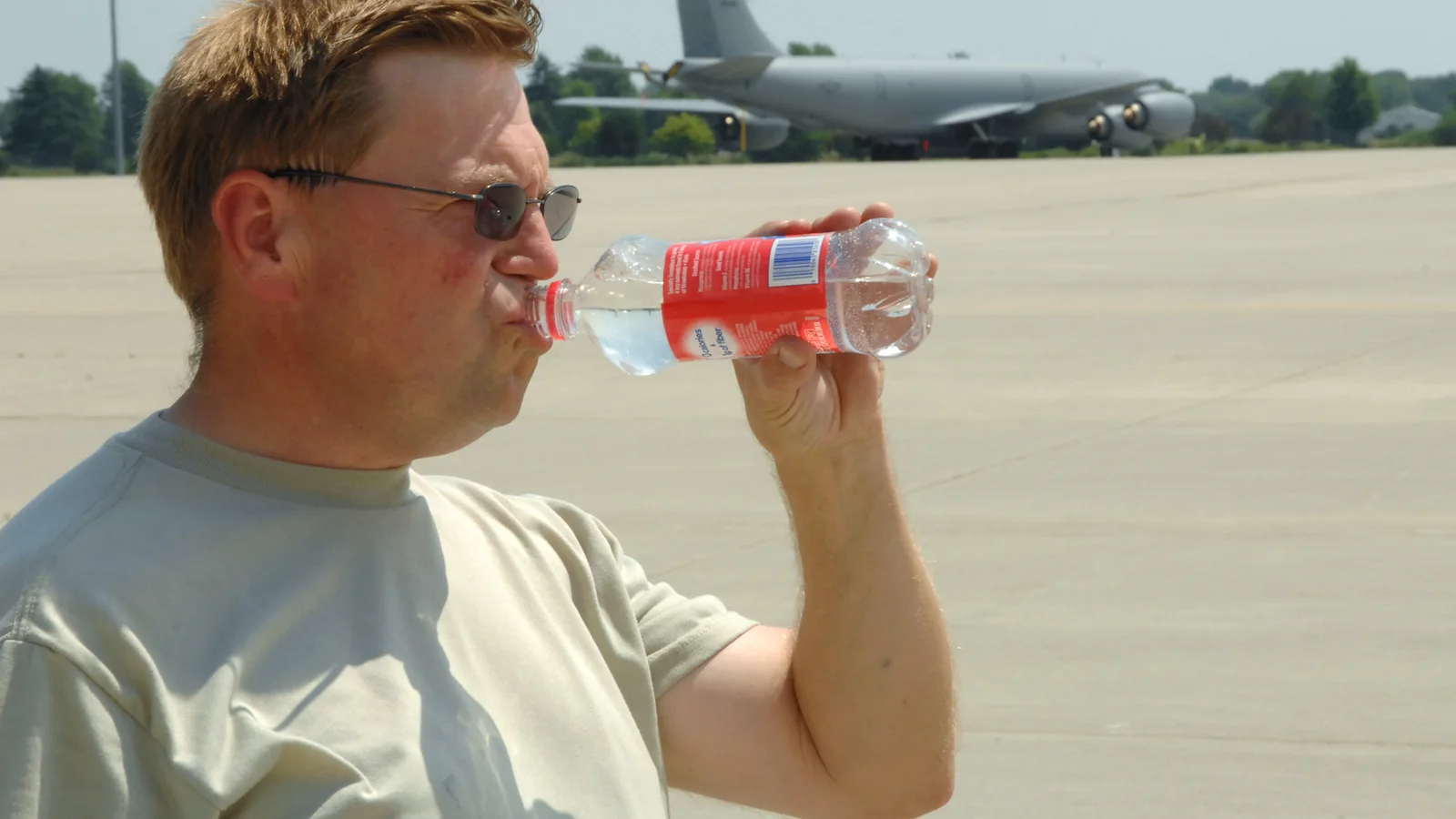
The cooler question comes up on every hot job: is water enough, or does the crew need something with electrolytes in it? The honest answer is that it depends on how long people are sweating, and the federal guidance draws the line more clearly than most people expect.
What sweat takes with it
Sweat is not just water. It carries sodium and other electrolytes out of the body. Over a short job that loss is small and the next meal replaces it. Over a long, hot shift it adds up, and water alone puts the fluid back without the salt.
Where the guidance draws the line
NIOSH separates the two cases by time:
- Moderate work in the heat for less than two hours: water is generally sufficient, at about 1 cup (8 ounces) every 15 to 20 minutes.
- Sweating that lasts for several hours: drinks that contain balanced electrolytes are recommended.
| Situation | What to put in the cooler |
|---|---|
| A short task in the heat, under 2 hours | Water |
| A full shift of steady sweating | Water plus a drink with balanced electrolytes |
| Any shift | Regular meals and snacks, which replace salt as well |
Three things that work against you
NIOSH advises avoiding these when working in the heat:
- Alcohol.
- Drinks high in caffeine.
- Drinks high in sugar.
That third one matters when choosing an electrolyte drink. Read the label. The point is to replace what sweat removes, not to add a large dose of sugar to a hot afternoon.
Water puts the fluid back. Electrolytes put back what the sweat carried out with it.
More is not better
Whatever is in the cup, the pace still matters. NIOSH advises that total fluid intake should not exceed 6 cups (48 ounces) in an hour. Steady drinking across the shift does more than trying to catch up at a break.
A simple rule for supervisors
- Short and hot: water, a cup every 15 to 20 minutes.
- Long and hot: water all day, with an electrolyte drink in the rotation once the crew has been sweating for a couple of hours.
- Every day: do not let people skip meals, and keep the drinks where the work is.
The short version
Water is enough for short jobs. For hours of sweating, add balanced electrolytes, watch the sugar, keep meals regular and stay under 48 ounces an hour.
This article is general information, not medical advice. Workers on a sodium-restricted diet or with health conditions should follow their doctor's guidance.
Sources: NIOSH workplace recommendations for heat stress and OSHA heat illness prevention.
Common questions
Is water enough for working in the heat?
For moderate work lasting less than two hours, yes. NIOSH says water is generally sufficient when meals are eaten regularly. For sweating that lasts several hours, it recommends a drink with balanced electrolytes as well.
How much should a worker drink per hour in the heat?
About one cup, or 8 ounces, every 15 to 20 minutes. That comes to 24 to 32 ounces an hour. NIOSH warns against drinking more than 48 ounces in an hour.
Are energy drinks a good choice on a hot shift?
No. NIOSH advises against energy drinks in the heat, because many carry far more caffeine than coffee or soda, and against alcohol within a day of working in the heat.
Keep reading
Heat safety
How Much Water Should Workers Drink in the Heat?
NIOSH recommends about one cup of water every 15 to 20 minutes during moderate work in the heat. Here is what that looks like across a shift, and where crews usually fall short.
Heat safety
Heat Acclimatization: A First-Week Schedule for New Crew Members
Most serious heat illness happens in a worker's first days on the job. NIOSH's 20 percent rule gives supervisors a simple schedule for building up to a full shift in the heat.