

How Much Water Should Workers Drink in the Heat?
NIOSH recommends about one cup of water every 15 to 20 minutes during moderate work in the heat. Here is what that looks like across a shift, and where crews usually fall short.
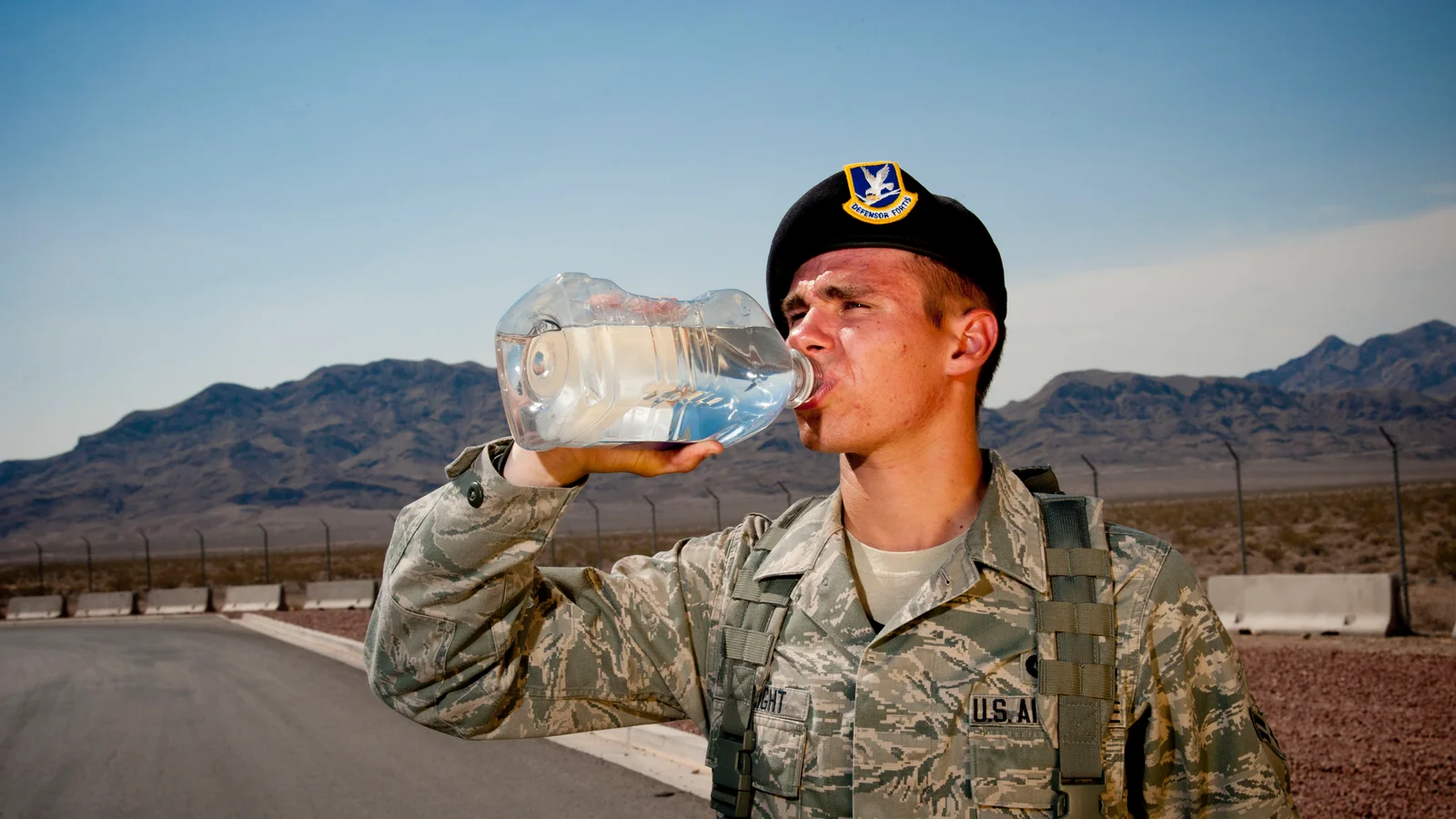
Ask ten supervisors how much water a worker needs in the heat and you will hear ten answers: a gallon a day, a bottle an hour, drink when you are thirsty. The federal guidance is more specific than any of them, and simpler to run a crew by.
The number to plan around
The National Institute for Occupational Safety and Health (NIOSH) recommends 1 cup (8 ounces) of water every 15 to 20 minutes for moderate work in the heat. That works out to roughly 24 to 32 ounces an hour.
Two details matter as much as the number:
- Small and often beats large and rare. A cup every 15 to 20 minutes is the recommendation, not a quart at lunch.
- Do not wait for thirst. By the time someone feels thirsty they are already behind.
What that looks like across a shift
| Time working in the heat | Water at 1 cup every 15 to 20 minutes |
|---|---|
| 1 hour | 24 to 32 oz |
| 4 hours | 96 to 128 oz |
| 8 hours | 192 to 256 oz |
Those totals surprise people. An eight-hour day in real heat can call for well over a gallon, which is why a single cooler at the trailer rarely covers a crew.
There is an upper limit
More is not always better. NIOSH advises that fluid intake should not exceed 6 cups (48 ounces) in an hour. Drinking far more than that, especially plain water with no food, can dilute the sodium in the blood to a dangerous level.
The goal is steady intake across the shift, not catching up all at once.
When water alone is not enough
For work that lasts less than two hours, water is generally sufficient. When sweating goes on for several hours, NIOSH suggests drinks that contain balanced electrolytes, because sweat carries salt out of the body along with water. Regular meals replace much of that salt as well. NIOSH also advises avoiding alcohol and drinks high in caffeine or sugar.
Where crews usually fall short
- Water is too far away. If the walk takes five minutes, people skip it. Put water where the work is.
- Nobody owns the schedule. A lead who calls a water break every 20 minutes gets better results than a sign that says "stay hydrated."
- The first hot week is treated like any other. New and returning workers need time to adjust to heat before they can safely work a full day in it.
- Drinking starts at the first break. People who arrive already short on fluids start the day behind.
The short version
Plan on a cup every 15 to 20 minutes, keep it under 48 ounces an hour, add electrolytes when the sweating lasts for hours, and make the water easy to reach.
This article is general information, not medical advice. Workers with health conditions or on medication should follow their doctor's guidance.
Sources: NIOSH workplace recommendations for heat stress and OSHA heat illness prevention.
Common questions
How much water should a worker drink per hour in the heat?
About 24 to 32 ounces. NIOSH recommends 1 cup (8 ounces) every 15 to 20 minutes during moderate work in the heat, taken in small amounts across the hour.
Can you drink too much water at work?
Yes. NIOSH advises that fluid intake should not exceed 6 cups, or 48 ounces, in an hour. Drinking far more than that can dilute the sodium in the blood to a dangerous level.
Is water enough, or do workers need electrolytes?
For work under two hours, water is generally sufficient. When sweating continues for several hours, NIOSH suggests drinks with balanced electrolytes, along with regular meals.
Keep reading
Heat safety
Heat Acclimatization: A First-Week Schedule for New Crew Members
Most serious heat illness happens in a worker's first days on the job. NIOSH's 20 percent rule gives supervisors a simple schedule for building up to a full shift in the heat.
Hydration
Water or Electrolytes? What Crews Need on Long, Hot Shifts
Water covers most short jobs. Once sweating runs for hours, the salt lost in sweat has to be replaced too. Here is how to decide what goes in the cooler.